Why the Same Gem Changes Across a Room
Colour temperature, spectral power, surroundings, and pleochroism explain why visual descriptions need viewing conditions.
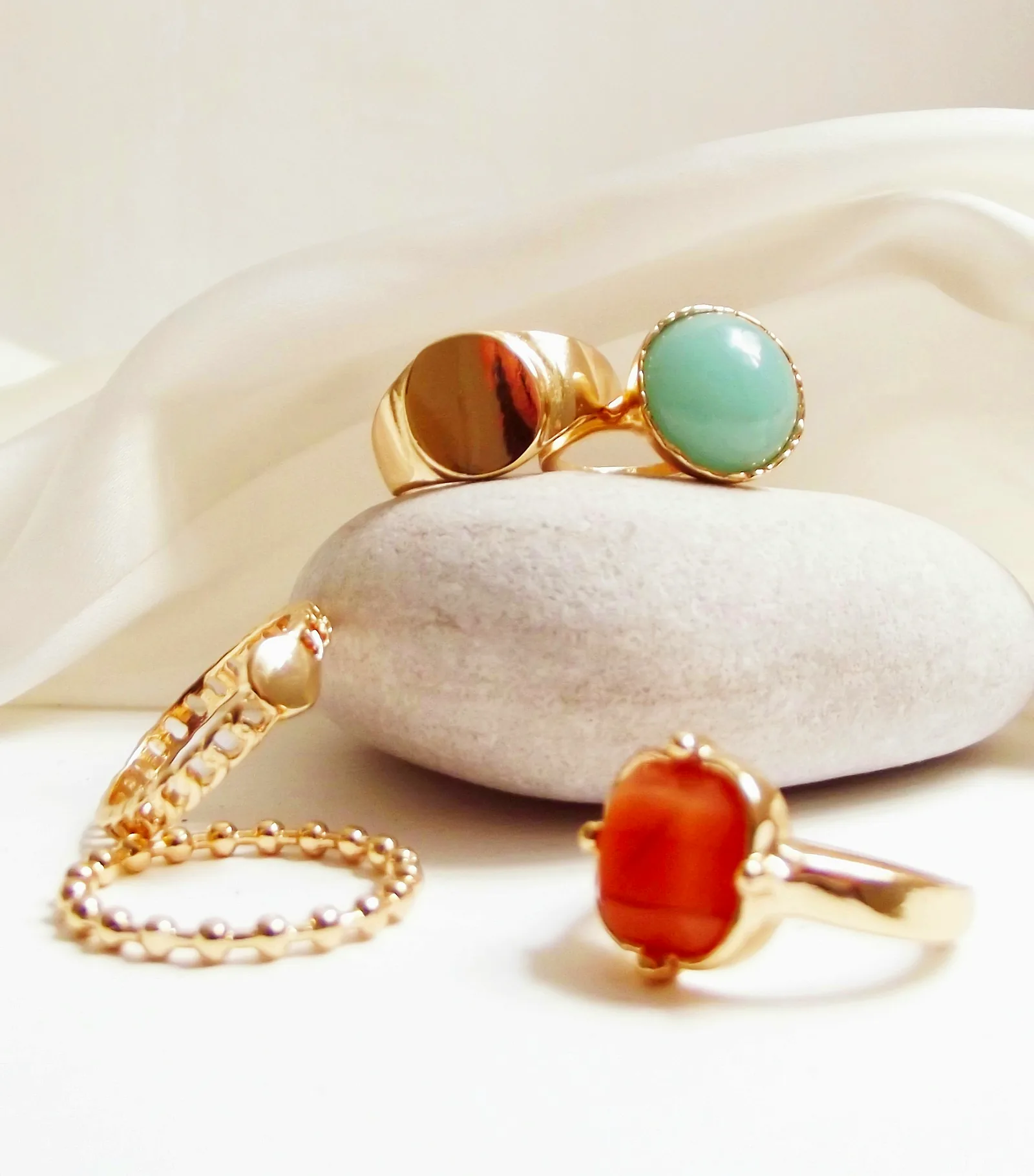
Light sources do not contain equal mixtures of wavelengths. A stone can therefore appear vivid in daylight, muted under an LED, or substantially different under incandescent light.
Pleochroic gems add direction to the problem: turning the stone changes which crystallographic colour is most visible. The setting and cut determine how those directions combine face-up.
Useful notes name the source, approximate colour temperature, background, and viewing angle. The phrase true colour is less informative than a repeatable observation.